EtG Testing
In-depth guides on EtG urine testing: detection windows, cutoff levels, false positives, probation monitoring, and the pharmacokinetics of alcohol biomarkers.
12 articles in this category.
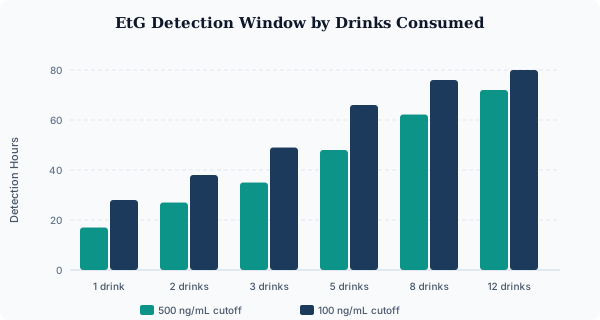
How Long Does EtG Stay in Urine? Full Timeline
EtG stays detectable in urine for 24-80 hours depending on drinks consumed, test cutoff, and individual metabolism. Here's the complete breakdown.
Read article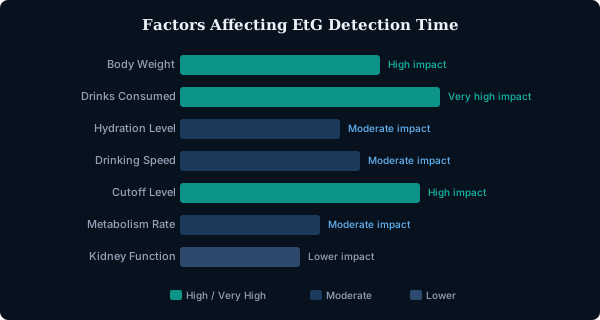
What Affects EtG Detection Time? 6 Key Factors
Drink count, body weight, drinking speed, hydration, cutoff level, and liver function all shift your EtG detection window. Here's how each factor works.
Read article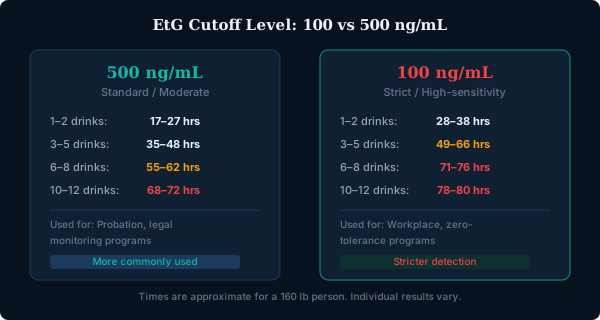
EtG Cutoff: 100 vs 500 ng/mL - What's the Difference?
The EtG cutoff level shifts your detection window by 30-50%. What 100 and 500 ng/mL mean, where each is used, and how to calculate windows at either level.
Read article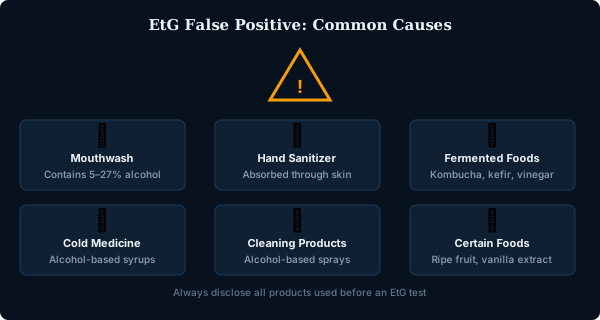
EtG False Positives: What Triggers Them?
Mouthwash, hand sanitizer, fermented foods, and some medications can trigger EtG false positives, especially at 100 ng/mL cutoffs. What the research says.
Read article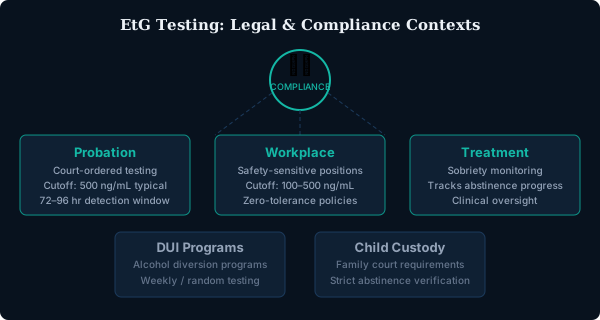
EtG Testing on Probation: What You Need to Know
EtG urine testing is standard in probation, drug court, and DUI programs. This guide covers how it works, what cutoff levels mean, and how to stay compliant.
Read articleEtG Test Accuracy: What It Can and Cannot Tell You
EtG testing is highly sensitive but not infallible. Understand what it accurately detects, where it has documented limitations, and how results are interpreted.
Read articleEtG Detection: Heavy vs Light Drinking - How Much Longer?
Heavy drinking can extend EtG detection to 72-80 hours; light drinking clears under 24. A drink-by-drink breakdown of how volume shifts your detection window.
Read article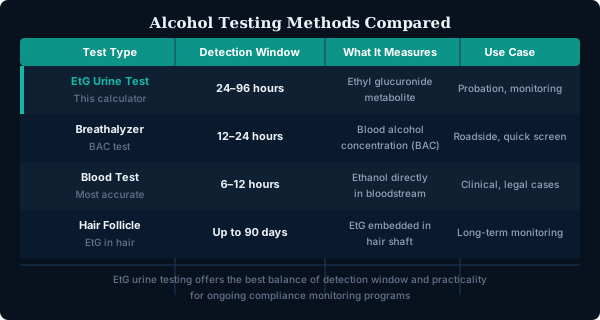
EtG vs Breathalyzer vs Blood Test: Which Detects Longer?
EtG detects alcohol for 24-80 hours. Breathalyzers last 12 hours, blood tests under 1 hour after clearance. How each test works and when each is used.
Read articleHow to Prepare for an EtG Urine Test: Practical Guide
Preparing for an EtG test means understanding detection windows, avoiding incidental ethanol exposure, and knowing what to expect on test day. Full guide.
Read articleEtG Testing in Workplace Safety Programs
EtG urine testing is increasingly used in safety-sensitive workplace programs. How it works, which cutoffs are standard, and how it differs from drug panels.
Read article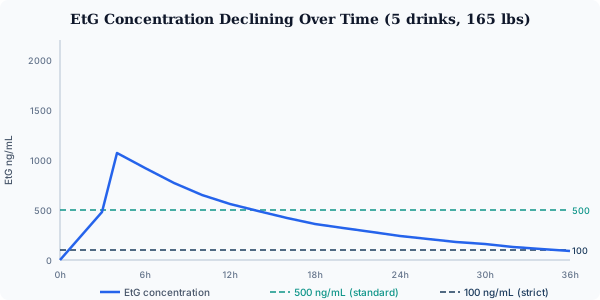
EtG Pharmacokinetics: The Science Behind Alcohol Detection
How EtG forms, peaks, and clears from urine. A plain-language guide to the pharmacokinetics of EtG testing - glucuronidation, half-life, and elimination.
Read articleEtG in Alcohol Monitoring: SCRAM, Drug Court & More
How monitoring programs combine EtG urine testing with SCRAM bracelets, ignition interlocks, and breathalyzers. What each tool detects and when it is used.
Read article